
Teeth Deep Cleaning In Bellevue, WA
We want our patients to have beautiful smile forever. To help them get there, we use CBCT scan machine to accurately examine teeth and provide high-quality dental exams. Based on these exams, the onset and complexity of gum disease can be accurately analyzed for the timely detection and treatment of gum and periodontal diseases. We highly recommend doing this dental examinations and most insurance also covers these examinations fully given it helps prevent diseases in the long run.
What is Deep Cleaning & Scaling?
Deep cleaning is a procedure involving removing cementum or dentine which is impregnated with calculus, toxins or microorganisms (etiologic agents causing inflammation) followed by smoothing or planing of the exposed surfaces of the roots. It not only helps prevent the decay of teeth but also results in reversing the effects of gum disease.
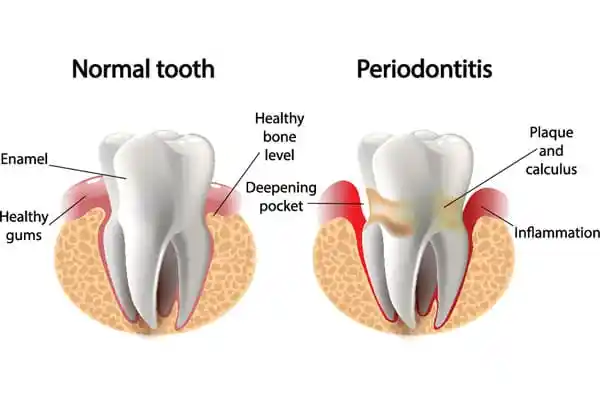
Teeth are surrounded by a cushy, soft layer of tissue known as “Gums” or “Gingiva”. It helps teeth bind together with the underlying bone. If you have healthy gums, the tissue will fit tightly around the tooth and would prevent it from periodontal insult to deeper tissues. Healthy gums attach to the tooth just 1 to 3 millimeters below the gumline. However, if gum disease begins to form, this tissue will loosen and begin to develop deeper pockets. These can fill with plaque, worsening tooth problems and causing symptoms like bad breath.
If you have pockets of 4 millimeters or more, your dentist will probably recommend dental scaling to remove the plaque beneath the gumline and help treat the gum disease. The root planing and scaling procedure are highly effective at treating mild to moderate gum disease, specifically when gum disease has led to pockets forming between the teeth and gums.
How Is Deep Cleaning Procedure Done?
Deep cleaning consist of scaling and root planing process which can also be performed by your dental hygienist. Once the dental examination of the teeth is completed, the dental hygienist will access the severity of your condition and may recommend scaling and root planning to be performed quadrant by quadrant to ensure comfort.
Typically, the upper and lower quadrants on one side of the face are done at one appointment, and the upper and lower quadrants of the other side are done at a second appointment. The deep cleaning approach is broken down into three simple stages:
Preparatory
Depending on the amount of tartar and plaque buildup, and your level of tooth sensitivity, deep cleaning may prove to be a painful process. Therefore, before starting the process, a numbing gel or anesthetic injection can be administered to the area to lessen discomfort.
Scaling
Scaling involves careful removal of plaque bacteria and tartar from the tooth’s surface just below the gumline. It can be performed by the dental hygienist using either a handheld instruments, a metal tool known as a dental scaler and curette or an electrice or ultrasonic instruments.
If the procedure is done manually using dental scaler and curette, then dental hygienist will insert this thin tool beneath the gum line to access plaque and tartar to the bottom of each periodontal pocket your toothbrush can’t reach and remove it. Alternately, your dentist may choose an ultrasonic instrument to scale your teeth using a vibrating metal tip combined with a cool water spray. The metal tip chips away plaque bacteria and tartar and water from the spray flushes out the pocket.
Root Planing
In this process, dental hygienist removes the plaque bacteria and tartar the surface of tooth’s root. This is done in the same manner as scaling. The tooth surfaces then are planed or smoothed which prevents plaque from accumulating along root surfaces and allows gum tissue to heal. Also, your Bellevue dental clinic team may administer local antibiotics, antimicrobials, and other medications directly into the periodontal pockets to help control infection or pain, as well as encourage faster healing.
Side Effects Of Deep Cleaning
Commonly after your dental scaling and root planing, the tissue shrinks and the root surface is exposed. This may cause your mouth to feel sore and sensitive to hot, cold and sweets, which is normal. Also, some patients may experience swelling or bleeding for a few days following the procedure. Your dentist may suggest desensitizing toothpaste to help ease this discomfort. You might get a prescription mouthwash to use after the procedure, as well, to help keep the gums clean.
Deep Cleaning Post-Treatment
After deep cleaning is done, within a few weeks, gums should start becoming healthier provided oral hygiene is maintained every day as prescribed by your dentist. Also, your dentist might prescribe an antibacterial mouthwash to reduce bacteria in your mouth.
A follow-up visit may be necessary to confirm that your gums and teeth are getting healthier and there is no pocket depth.
Deep Cleaning Recovery Time
For the first few days after scaling, you may experience some bleeding that should gradually subside. At a follow-up appointment, your dentist will evaluate gum healing and verify a decrease in the size of periodontal pockets. If pockets greater than 3 mm are still present after initial treatment, additional treatment may be recommended.
Maintaining good oral hygiene practices and continued, long-term follow-up by your dental professionals are essential to prevent periodontal disease from developing into a more serious and/or chronic condition that may require surgery. This is important, especially given the growing body of clinical evidence indicating the strong connection between periodontal disease and secondary health conditions such as cardiovascular disease, low birth weight babies and premature births.
Step-by-Step: What Happens During Treatment
- Doctor will examine your teeth and provide consultation
- If necessary, appropriate x-rays will be taken to understand teeth and bone structure near the tooth
- Treatment plan will be discussed along with the insurance coverage.
- Book an appointment or call us at to schedule a consultation with the doctor.
Call today to schedule a consultation! (425) 998-8109
Frequently Asked Questions
How Much Does A Periodontitis Treatment / Scaling Cost?
Factors affecting the cost of gum disease treatment include the technology used in the procedure; the dentist’s location; type of dental insurance; type and frequency of treatment and follow-up care; and type and number of dental professionals involved in the treatment plan. For example, your general dentist may perform the initial diagnosis and some treatment but may refer you to a periodontist more adept at performing advanced surgical procedures.
Before undergoing any gum disease treatment, consult with your insurer to determine what procedures your plan covers. Being covered by insurance or not, does not preclude the need for treatment.
Reviewed By

Dr. Uparika Sharma
Doctor of Dental Surgery
Dr. Uparika Sharma brings over five years of hands-on experience in general and cosmetic dentistry. She leads patient care at Bellevue Azalea Dentistry, where she is known for her gentle approach and personalized treatment plans. Dr. Sharma earned her Doctor of Dental Surgery (D.D.S.) degree from the University of Washington and is an active member of the American Dental Association, reflecting her commitment to continued education and high standards of care.